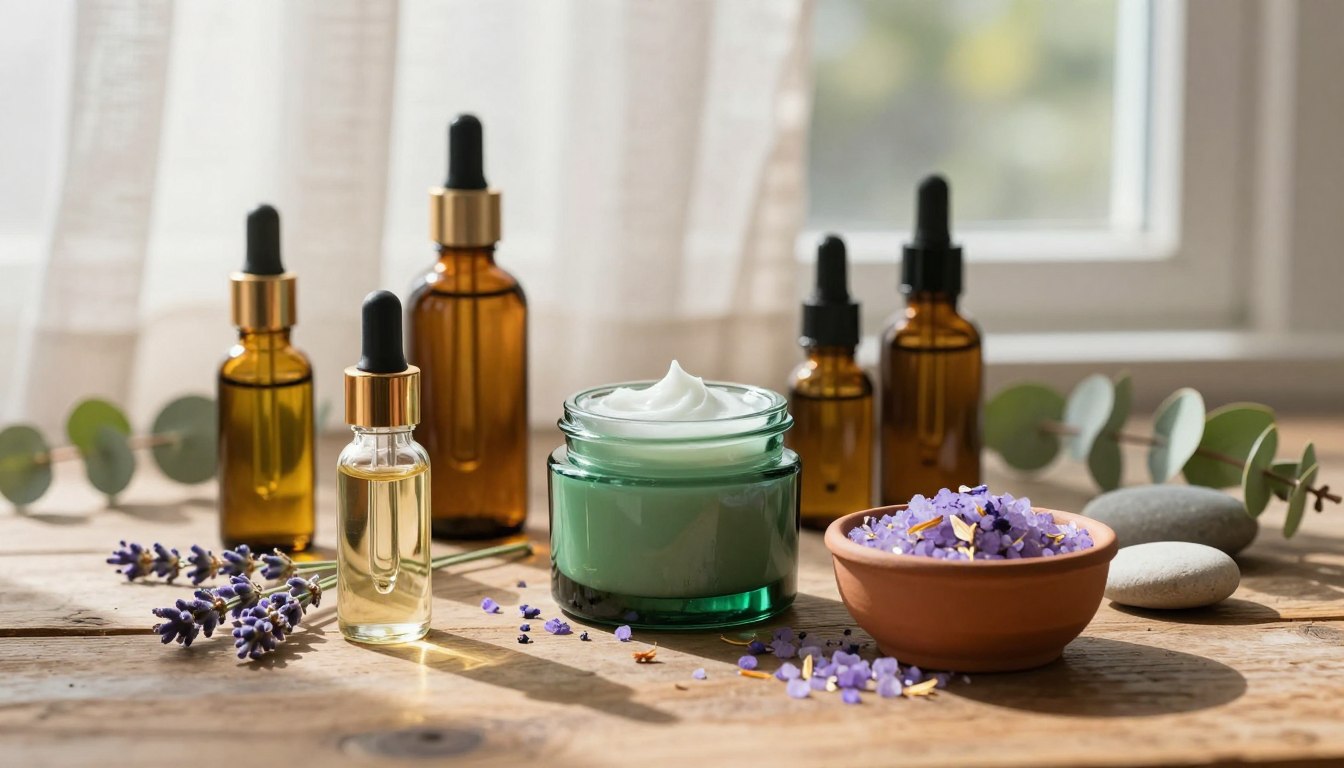
Are you tired of using chemical-laden beauty products that promise the world but deliver little? In today’s fast-paced world, it’s easy to get caught up in the latest trends and forget that true beauty starts from within.
Adopting a natural skincare approach can be a game-changer. By focusing on nourishing your skin, hair, and body, you can achieve a radiant glow that goes beyond surface-level beauty.
This comprehensive guide will walk you through the process of creating a holistic beauty routine that works for you. You’ll learn how to assess your current products, build a natural skincare regimen, and cultivate a more sustainable approach to beauty.
Key Takeaways
- Understand the core principles of a holistic approach to beauty
- Learn how to assess your current beauty products
- Discover how to build a natural skincare regimen
- Cultivate a more sustainable approach to beauty
- Achieve a radiant glow with a holistic beauty routine
Understanding Holistic Beauty and Its Core Principles
Embracing holistic beauty means adopting a lifestyle that nurtures both inner health and outer beauty, leading to a more radiant and sustainable appearance. This approach to beauty is not just about the products you use or the treatments you undergo, but about creating a harmony between your inner well-being and outer glow.
What Makes a Beauty Routine Truly Holistic
A truly holistic beauty routine goes beyond just applying products to your skin or hair; it’s about understanding the intricate connection between your overall health and your appearance. It involves making conscious choices about the products you use, the foods you eat, and the practices you adopt to nurture your body, mind, and spirit.
To make your beauty routine more holistic, consider incorporating organic beauty tips and eco-friendly beauty routines that promote sustainability and reduce environmental impact. This might include using products with natural ingredients, reducing waste, and choosing products with minimal, biodegradable packaging.
The Connection Between Inner Health and Outer Beauty
The state of your inner health has a direct impact on your outer beauty. Factors such as diet, stress levels, and sleep quality can significantly affect your skin, hair, and overall appearance. For instance, a diet rich in antioxidants and essential nutrients can enhance your skin’s health, while high stress levels can lead to skin issues like acne or dullness.
By focusing on clean beauty practices and maintaining a healthy lifestyle, you can improve both your inner well-being and your outer appearance. This includes eating a balanced diet, staying hydrated, exercising regularly, and practicing stress-reducing techniques like meditation or yoga.
Why Natural and Organic Ingredients Matter
Natural and organic ingredients are at the heart of holistic beauty. These ingredients are not only gentler on the skin and less likely to cause adverse reactions, but they are also more environmentally friendly. By choosing products with natural and organic ingredients, you’re not only nurturing your body but also supporting sustainable practices.
Incorporating organic beauty tips into your routine can be as simple as switching to natural soaps, using organic skincare products, or choosing hair care products free from harsh chemicals. This shift towards natural and organic ingredients is a crucial step in embracing a holistic approach to beauty.
Assessing Your Current Beauty Products and Practices
Assessing your current beauty products is the crucial first step towards a holistic wellness skincare routine. To create a non-toxic beauty routine that truly works for you, it’s essential to understand what you’re currently using and how it affects your skin and overall health.
Step 1: Audit Your Beauty Cabinet for Toxic Ingredients
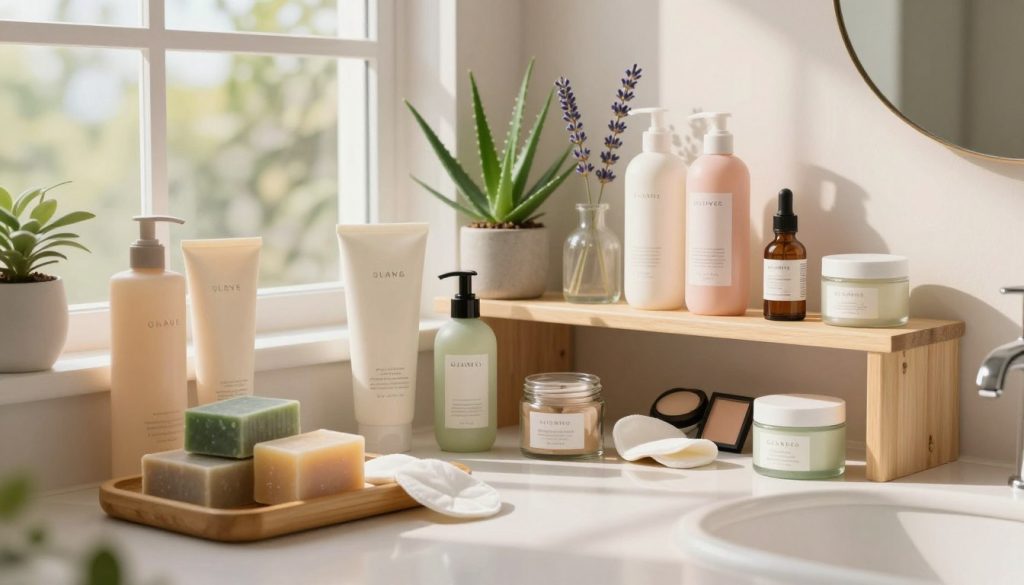
Begin by taking everything out of your beauty cabinet and sorting products into categories. This simple act can be quite revealing, helping you identify patterns in your usage and potential areas for improvement. As you sort, look for products with ingredients that are difficult to pronounce or that you’ve heard are harmful.
Start by examining your skincare products, including cleansers, moisturizers, and serums. Check the ingredient lists for known irritants or toxins. You might be surprised at what you find.
Step 2: Identify Harmful Chemicals to Eliminate
Once you’ve audited your beauty cabinet, it’s time to identify harmful chemicals that you can eliminate. Many conventional beauty products contain toxins that can disrupt your hormonal balance, cause skin irritation, or even contribute to more serious health issues.
Common Toxins in Conventional Beauty Products
Some of the most common toxins found in beauty products include parabens, phthalates, and synthetic fragrances. These chemicals have been linked to various health concerns, from reproductive issues to cancer risks.
| Toxin | Common Uses | Potential Health Risks |
|---|---|---|
| Parabens | Preservatives in creams and lotions | Hormone disruption, breast cancer concerns |
| Phthalates | Fragrance stabilizers | Reproductive issues, birth defects |
| Synthetic Fragrances | Perfumes, scented products | Skin irritation, allergic reactions |
Reading Labels for Clean Beauty Certification
To ensure you’re choosing safe products, look for clean beauty certifications like EWG Verified or Leaping Bunny. These certifications indicate that the product has met certain standards for safety and sustainability.
Becoming a label reader can be a powerful step in your journey to a non-toxic beauty routine. It empowers you to make informed choices about the products you use on your skin.
Step 3: Determine Your Unique Skin and Hair Needs
Understanding your unique skin and hair needs is crucial for creating an effective beauty routine. Consider factors like your skin type, hair texture, and any specific concerns you have, such as acne or dryness.
By taking the time to assess your current beauty products and practices, you can make informed decisions that lead to a more holistic and effective beauty routine.
Building Your Holistic Beauty Routine for Face and Skin
The path to radiant, healthy skin begins with a holistic beauty routine that incorporates natural ingredients, sustainable practices, and a deep understanding of your skin type. By adopting a comprehensive approach to skincare, you can achieve a balanced and healthy complexion that reflects your overall well-being.
Step 1: Choose a Gentle, Plant-Based Cleanser
Selecting the right cleanser is the first step in creating a holistic beauty routine. A gentle, plant-based cleanser effectively removes dirt and impurities without stripping your skin of its natural oils.
Oil Cleansing Method for Deep Purification
The oil cleansing method is a highly effective technique for deep purification. By using natural oils like coconut or olive oil, you can dissolve and remove makeup and impurities while nourishing your skin.
Best Natural Cleansing Ingredients for Each Skin Type
Different skin types benefit from different natural cleansing ingredients. For example, oily skin benefits from ingredients like tea tree oil, while dry skin benefits from moisturizing ingredients like aloe vera.
| Skin Type | Recommended Cleansing Ingredients |
|---|---|
| Oily | Tea Tree Oil, Green Tea Extract |
| Dry | Aloe Vera, Coconut Oil |
| Sensitive | Chamomile, Calendula |
Step 2: Incorporate Alcohol-Free Toners and Essences
After cleansing, incorporating alcohol-free toners and essences can help balance your skin’s pH and prepare it for further products. Look for toners with soothing ingredients like rosewater or witch hazel.
“The right toner can make a significant difference in your skincare routine, helping to tighten pores and add a layer of protection.” – Skincare Expert
Step 3: Select Organic Serums and Targeted Treatments
Serums and targeted treatments are crucial for addressing specific skin concerns like acne, aging, or hyperpigmentation. Choose products with organic, clinically-tested ingredients.
Vitamin C Serums from Natural Sources
Vitamin C serums derived from natural sources like citrus fruits or berries are potent antioxidants that brighten and protect the skin.
Plant-Based Retinol Alternatives
For those looking for a natural alternative to retinol, plant-based options like bakuchiol offer similar anti-aging benefits without the harsh side effects.
Step 4: Moisturize with Non-Toxic, Nutrient-Rich Products
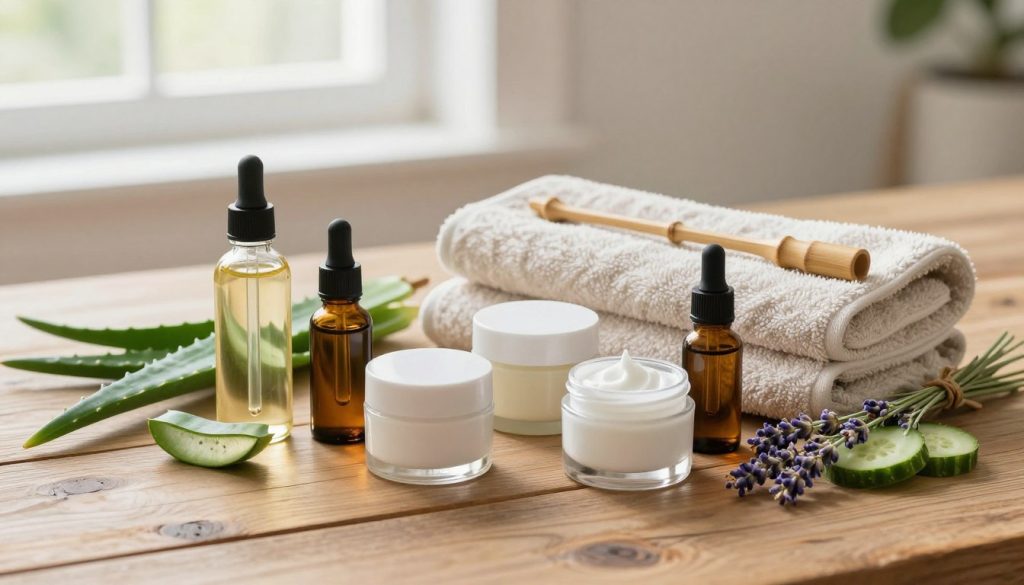
Moisturizing is a critical step in any skincare routine. Opt for non-toxic, nutrient-rich moisturizers that hydrate and protect your skin without exposing it to harmful chemicals.
Step 5: Protect Your Skin with Mineral-Based SPF
Finally, protecting your skin from the sun’s harmful rays is essential. Use a mineral-based SPF that contains zinc oxide or titanium dioxide for effective, non-toxic sun protection.
Creating a Sustainable and Natural Hair Care Regimen
Transforming your hair care routine to a more sustainable and natural approach can significantly enhance the health and appearance of your hair. This involves making conscious choices about the products you use and the practices you adopt.
Step 1: Transition to Sulfate-Free and Silicone-Free Shampoos
The first step towards a more natural hair care regimen is to switch to shampoos that are free from harsh chemicals like sulfates and silicones. These ingredients can strip your hair of its natural oils, leading to dryness and damage.
Managing the Adjustment Period
When transitioning to sulfate-free and silicone-free shampoos, your hair may go through an adjustment period. This can involve initial dryness or oiliness as your scalp adjusts to the new products. Using a gentle, natural conditioner can help mitigate these effects.
Step 2: Deep Condition with Botanical Oils and Masks
Deep conditioning is crucial for maintaining healthy, nourished hair. Botanical oils and masks can provide intense hydration and repair.
Coconut Oil Treatments for Dry Hair
Coconut oil is renowned for its moisturizing properties. Applying a coconut oil treatment once a week can help lock in moisture and reduce frizz.
Argan Oil for Shine and Strength
Argan oil is rich in antioxidants and essential fatty acids, making it ideal for adding shine and strength to your hair. A few drops can be used as a leave-in treatment or added to your conditioner for an extra boost.
Step 3: Reduce Heat Styling and Chemical Processing
Excessive heat styling and chemical processing can cause significant damage to your hair. Reducing these practices or using protective products when you do style or process your hair can help minimize damage.
Step 4: Practice Scalp Massage for Hair Growth
Scalp massage is a simple yet effective way to stimulate hair growth. Massaging your scalp increases blood flow, which can help strengthen hair follicles and promote growth.
| Natural Ingredient | Benefits for Hair |
|---|---|
| Coconut Oil | Moisturizes and nourishes dry hair |
| Argan Oil | Adds shine and strength |
| Shea Butter | Hydrates and protects hair |
By incorporating these steps into your hair care routine, you can achieve healthier, more sustainable hair care practices that benefit both you and the environment.
Extending Your Eco-Friendly Beauty Routine to Your Entire Body
To fully embody the principles of holistic beauty routine, we must consider how our body care products and practices impact our overall well-being and the environment. As we expand our eco-friendly habits to include our entire body, we not only enhance our skin’s health but also contribute to a more sustainable future.
Step 1: Start Dry Brushing for Lymphatic Drainage
Dry brushing is a simple yet effective technique that stimulates lymphatic drainage, improves circulation, and removes dead skin cells. By incorporating dry brushing into your daily routine, you can enhance your body’s natural detoxification processes.
Proper Dry Brushing Technique
To dry brush effectively, start at your feet and work your way up towards your heart, using gentle, sweeping motions. Be sure to cover all areas of your body, including your arms, legs, and torso.
Best Time to Dry Brush
The best time to dry brush is in the morning, before showering, as it helps to stimulate your lymphatic system and boost energy levels. Regular dry brushing can also improve the appearance of your skin, leaving it looking smoother and more radiant.
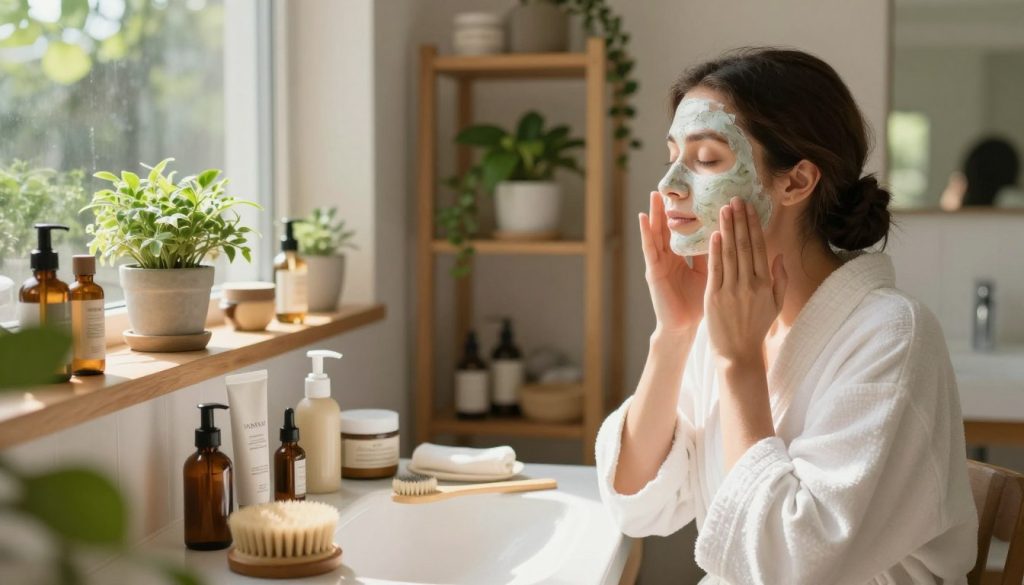
Step 2: Use Organic Body Washes and Natural Exfoliants
Switching to organic body washes and natural exfoliants is a crucial step in creating a more eco-friendly body care routine. These products are free from harsh chemicals and artificial fragrances, making them gentler on your skin and the environment.
DIY Sugar and Salt Scrub Recipes
Creating your own sugar and salt scrubs at home is a fun and easy way to exfoliate your skin naturally. Simply mix together your preferred oil with sugar or salt, and gently massage onto your skin before rinsing.
Step 3: Nourish Skin with Plant-Based Body Oils
Plant-based body oils are rich in nutrients and antioxidants, making them an excellent way to nourish and moisturize your skin. From coconut oil to argan oil, there are numerous options to choose from, each with its unique benefits.
Step 4: Switch to Natural Deodorants and Personal Care
Making the switch to natural deodorants and personal care products is a vital step in reducing your exposure to harsh chemicals and artificial fragrances. Look for products that are labeled as “natural” or “organic” and contain ingredients like baking soda, essential oils, and plant extracts.
By following these steps and incorporating them into your daily routine, you can enjoy a more comprehensive holistic beauty routine that benefits both your body and the environment.
Integrating Wellness Practices into Your Holistic Beauty Routine
To truly glow from within, it’s essential to integrate wellness practices into your daily beauty regimen. A holistic beauty routine is not just about the products you use, but also about how you care for your overall well-being.
Eat Beauty-Boosting Foods for Radiant Skin
The food you eat plays a significant role in your skin’s health. Consuming a diet rich in antioxidants, vitamins, and minerals can help to nourish your skin from the inside out. Antioxidant-rich foods are particularly beneficial as they help to combat free radicals that can cause skin damage.
Antioxidant-Rich Foods for Anti-Aging
Incorporating foods high in antioxidants into your diet can help to reduce the visible signs of aging. Berries, leafy greens, and other fruits and vegetables are excellent choices. As Dr. Jane Smith, a renowned dermatologist, notes, “A diet rich in antioxidants can significantly improve skin health and reduce the appearance of fine lines and wrinkles.”
Hydration and Its Impact on Skin Health
Adequate hydration is crucial for maintaining healthy, plump skin. Drinking enough water throughout the day helps to keep your skin hydrated and supple.
“Hydration is key to maintaining skin elasticity and firmness,” says Dr. John Doe, a leading expert in skincare.
Aim to drink at least eight glasses of water a day to support your skin’s health.
Prioritize Quality Sleep as Your Most Powerful Beauty Tool
Getting enough quality sleep is essential for your skin’s health and overall well-being. During sleep, your body repairs and regenerates damaged cells, builds bone and muscle, and strengthens your immune system. 7-9 hours of sleep per night is recommended for optimal health.
Manage Stress Through Meditation and Mindfulness
High levels of stress can negatively impact your skin and hair. Practicing meditation and mindfulness can help to reduce stress and promote overall wellness. Regular mindfulness practice can lead to a more balanced and healthy lifestyle.
How Stress Affects Your Skin and Hair
Stress can cause a range of skin and hair issues, including acne, hair loss, and dull skin. When you’re stressed, your body releases more cortisol, a hormone that can lead to inflammation and other skin problems. Managing stress through relaxation techniques can help to mitigate these effects.
Exercise Regularly for Healthy Circulation and Glow
Regular exercise is not only good for your overall health, but it also promotes healthy circulation, which can help to give your skin a natural glow. Engaging in physical activity for at least 30 minutes a day can improve blood flow and support skin health.
By incorporating these wellness practices into your daily routine, you can achieve a more holistic approach to beauty that nourishes both your body and your skin.
Conclusion
As you embark on your journey to a more sustainable beauty regimen, remember that every small change counts. By adopting a holistic beauty routine, you’re not only enhancing your natural beauty but also contributing to a healthier planet.
A holistic beauty routine is about making conscious choices that promote overall wellness. It’s about nourishing your skin, hair, and body with natural, organic ingredients and reducing your environmental footprint. By choosing products that are free from harsh chemicals and toxins, you’re not only improving your health but also supporting sustainable practices.
The key to a successful holistic beauty routine is patience and dedication. Start by making small changes to your daily routine, such as switching to sulfate-free shampoos or using mineral-based SPF. As you progress, you’ll find that your skin and hair begin to glow with a newfound radiance.
By embracing a holistic beauty routine, you’re taking the first step towards a more sustainable beauty regimen. Join the movement towards a healthier, more environmentally conscious you, and discover the transformative power of natural beauty.